What Is Soft Washing and When Is It Better Than Pressure?
Soft washing is a cleaning method that combines low-pressure water with cleaning solutions suited to the surface and contamination. Rather than https://pressurecleaningsutherlandshire.com.au relying on force to remove grime, it allows the solution time to loosen dirt and treat organic growth before a controlled rinse. For homes across Sydney’s Sutherland Shire, it can be a suitable option for cleaning delicate exterior finishes affected by algae, mildew and shaded, damp conditions.
How Does Soft Washing Work?
A soft wash typically involves inspecting the surface, protecting surrounding areas, applying a diluted cleaning solution, allowing an appropriate dwell time and rinsing gently. Products and concentrations should match the material, the type of staining and the manufacturer’s instructions. Some treatments require rinsing, while others follow a different label-approved process.
Many soft-washing treatments for organic growth contain sodium hypochlorite, often combined with a compatible surfactant. These products require careful handling: incorrect application can damage plants, discolour finishes or corrode metals. Low pressure does not automatically mean low risk.
When Is Soft Washing Better Than Pressure Washing?
Soft washing is generally preferable when a surface could be damaged by concentrated water pressure, particularly where algae or mildew is the main problem rather than embedded dirt.
- Painted weatherboards and cladding: Gentle cleaning can reduce the risk of stripping sound paint or forcing water behind boards, provided the coating and joints are in good condition.
- Rendered walls: Low-pressure methods can help avoid gouging or marking the finish. Cracks and loose render need assessment first.
- Selected roofing materials: Soft washing may suit some roofs, but the roof manufacturer’s cleaning guidance must take priority.
- Delicate decorative surfaces: Mouldings and architectural details often need controlled application rather than aggressive pressure.
Soft washing does not repair deteriorated coatings, remove every stain or prevent organic growth from returning indefinitely. Rust, mineral deposits and oil may need separate, surface-specific treatments.
When Is Pressure Washing the Better Choice?
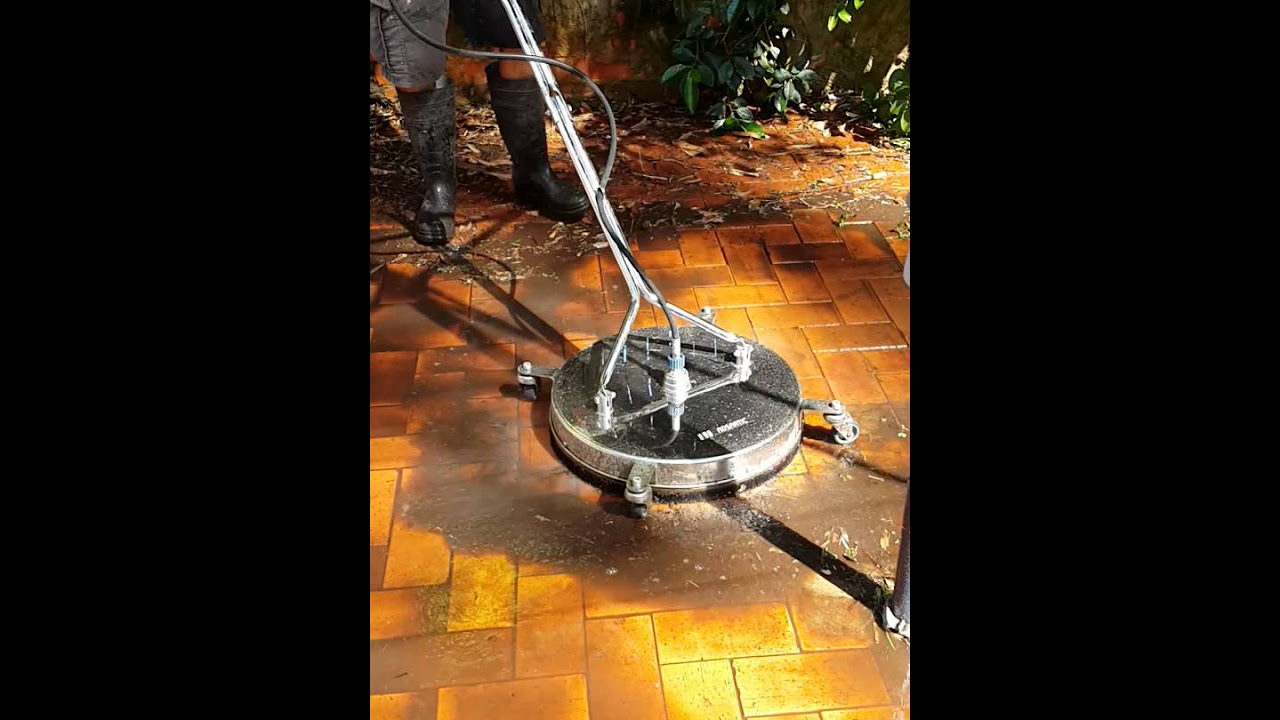
Pressure washing is often effective on sound concrete driveways, suitable paving and other durable hard surfaces with accumulated dirt. A correctly selected nozzle, working pressure and cleaning distance help achieve an even result without damaging the substrate.

However, concrete is not damage-proof. Excessive pressure can etch its surface, while poorly controlled cleaning can remove jointing sand from paving. Sealed concrete, natural stone, timber and older masonry need individual assessment. In some cases, the best approach combines a suitable pretreatment with moderate-pressure cleaning.
What Matters for Sutherland Shire Properties?
Shade, Moisture and Coastal Exposure
Shaded walls, roof sections and pathways can stay damp longer, encouraging organic growth. Properties near the coast may also accumulate salt deposits. Salt contamination requires appropriate rinsing; a treatment designed for algae does not replace salt removal.
Cleaning frequency should reflect actual conditions rather than a fixed annual schedule. Check shaded areas periodically and address slippery growth promptly. Clearing gutters, fixing leaks and trimming vegetation away from walls can help surfaces dry more readily.
Runoff and Surrounding Areas
Before cleaning, identify stormwater drains, garden beds, ponds and rainwater collection points. In NSW, allowing pollutants to enter waterways, including through stormwater systems, can breach environmental law. Contractors should assess runoff and use suitable containment, recovery and disposal methods where needed.
Rainwater tanks require particular care. Roof-cleaning chemicals and contaminated wash water must be kept out of the collection system, with reconnection managed according to the treatment instructions and relevant guidance.
What Should You Ask Before Booking?
- Which method suits this surface, and does it follow the manufacturer’s guidance?
- Will you test an inconspicuous area and identify existing damage before starting?
- How will you protect plants, electrical fittings, nearby metals and adjoining properties?
- How will you manage runoff, stormwater drains and any rainwater tank connections?
- What staining may remain, and does the quote include any specialist treatment?
If an older roof or wall may contain asbestos, stop and arrange appropriate assessment. High-pressure water cleaning of asbestos-containing materials is prohibited in NSW, and soft washing should not be assumed to be a safe alternative.
The right choice is not simply soft washing versus pressure washing. It is the least aggressive effective method for the material, its condition and the contamination present.

Sutherland Shire Pressure Cleaning Pros
Unit 4/78 Bellingara Rd, Miranda NSW 2228
(02) 9541 8700